
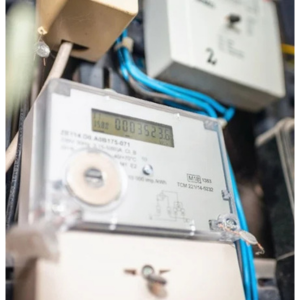
Smart metering is transforming the energy landscape, offering a range of benefits that enhance efficiency, sustainability, and customer engagement. As this technology becomes more widespread, it’s reshaping how utilities manage energy and how consumers use it. Here are five key benefits of smart metering:
1. Enhanced Data Accuracy
Unlike traditional meters, smart meters provide precise, real-time data on energy consumption. This eliminates the need for estimated billing, which often results in inaccurate bills. With smart meters, utilities can offer accurate billing based on actual usage. For consumers, this clarity helps them understand their energy consumption patterns more effectively. Armed with this information, they can make informed decisions to reduce energy waste and save money. This precise measurement of energy usage fosters trust between consumers and utility companies, ensuring transparency in the billing process.
2. Improved Demand Response Programs
One of the key benefits of smart metering is its ability to support demand response programs. These programs allow utilities to adjust energy usage during peak times by offering incentives for customers who shift their consumption to off-peak periods. With real-time data provided by smart meters, utilities can better manage the load on the grid, reducing strain during high-demand periods. This not only increases grid efficiency but also helps consumers save money by taking advantage of lower energy rates during off-peak hours. By spreading out energy use, utilities can delay the need for costly infrastructure upgrades.
3. Integration of Renewable Energy
As renewable energy sources like solar panels and wind turbines become more popular, smart meters are playing a critical role in their integration into the energy grid. Smart meters enable utilities to track both energy production and consumption in real time. This data allows for the smooth integration of decentralized energy sources, creating a more flexible and resilient grid. In homes with solar panels, for instance, smart meters can track how much energy is being generated and fed back into the grid, allowing consumers to be credited accurately for their contributions. As renewable energy adoption continues to grow, smart meters will become even more essential for managing energy flows efficiently.
4. Improved Customer Engagement
Smart meters are designed to enhance the relationship between utilities and their customers by providing detailed, real-time information about energy consumption. Many utilities offer user-friendly apps that allow consumers to track their energy usage, set energy-saving goals, and even compare their usage to that of similar households. This increased transparency empowers consumers to take control of their energy habits, encouraging more sustainable behaviors. By knowing exactly when and where they are using the most energy, customers can make targeted adjustments to reduce their energy consumption and lower their bills. Utilities that offer these interactive tools create stronger engagement and satisfaction with their customers.
5. Enhanced Grid Reliability and Management
Smart meters allow utilities to monitor the health of the energy grid in real time, improving both reliability and efficiency. With traditional meters, utilities often only become aware of outages when customers report them. Smart meters, however, can alert utilities immediately when an outage occurs, allowing for quicker responses. Additionally, smart meters provide valuable data that can help utilities identify inefficiencies or areas of the grid that may need upgrades, improving overall system reliability. This proactive approach reduces the duration of outages and enhances the overall customer experience. Furthermore, with the ability to monitor energy flows more closely, utilities can optimize the use of renewable energy and better manage energy distribution.
Conclusion
Smart metering is revolutionizing the energy sector, offering numerous benefits that improve grid efficiency, enhance customer engagement, and facilitate the integration of renewable energy. As this technology continues to evolve, its impact on both utilities and consumers will only grow, paving the way for a smarter, more sustainable energy future. By providing accurate data, supporting demand response programs, integrating renewable energy, and improving grid reliability, smart meters are driving the transition to a greener, more efficient energy system.
To know more , do follow https://assets.publishing.service.gov.uk/media/5a7497bced915d0e8e399740/Smart_Metering_System_leaflet.pdf
You can also read our blog https://utility7.com/https-tinyurl-com-reducing-your-electricity-bills/ about Top 10 Proven Strategies for Reducing Your Electricity Bills: A Guide for UK Households